
How Ageing Can Change Your Dog
Just like us, as dogs enter their senior years, their bodies and behaviour undergo changes. As well as physical challenges, like arthritis, weight gain and skin, coat and teeth issues, there may be behavioural changes, such as forgetting commands, disorientation, accidents in the home, restlessness and irritability. Being aware of how ageing can change your dog means dog guardians can help to improve their dog’s quality of life and make the right decisions on their care.
Physical Changes
One of the most noticeable changes in ageing dogs is reduced mobility. They may experience stiffness in their joints, most commonly due to arthritis. Such changes to their bodies make it challenging for them to engage in activities they once enjoyed, like running or playing.
A slowing metabolism along with decreased mobility is the perfect recipe for weight gain. Some mature dogs lose weight, due to a decreased appetite or a health issue.
Teeth also suffer with ageing. Gum disease can result in tooth loss, and dental problems can cause pain and irritability.
Ageing also changes a dog’s senses. Vision may deteriorate, so watch out for cataracts or retinal
degeneration. Hearing may also suffer, causing less responsiveness to commands or sounds that they once reacted to immediately.
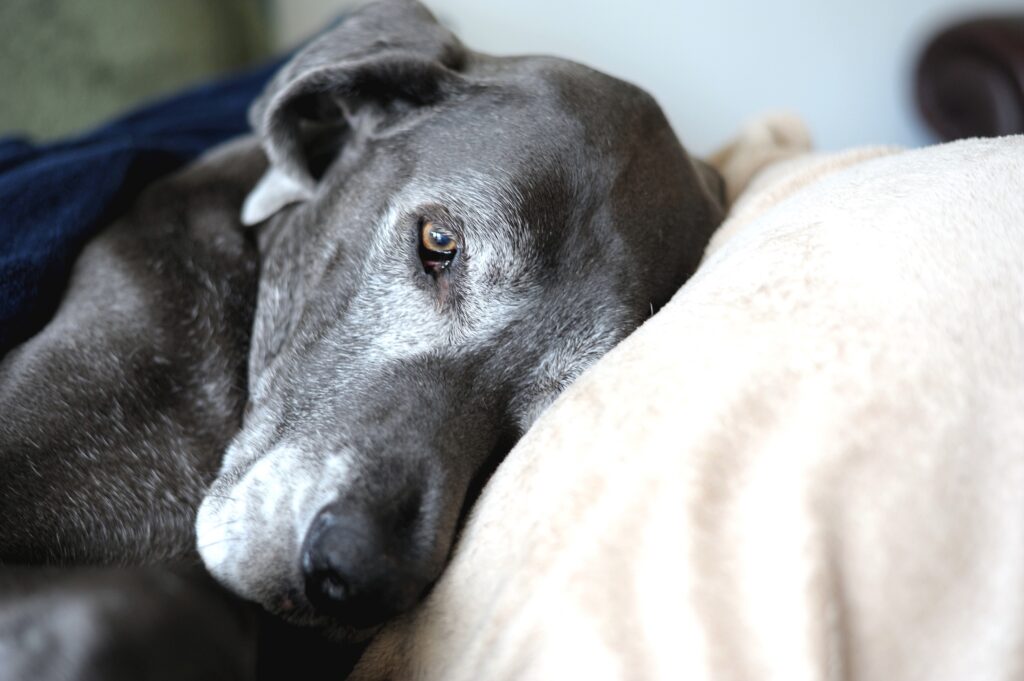
With time, skin loses elasticity and coats may become thin or develop a greyish hue. Keep up with regular grooming, choosing the gentlest cleansing products possible. A good diet helps here, too.
Read How Much Should You Feed Your Dog?
Behavioural Changes
Ageing dogs can also experience cognitive decline as they age. A condition to watch out for is Canine Cognitive Dysfunction (CCD). Symptoms of CCD include disorientation, disrupted sleep patterns and a change in interactions with people and other pets.
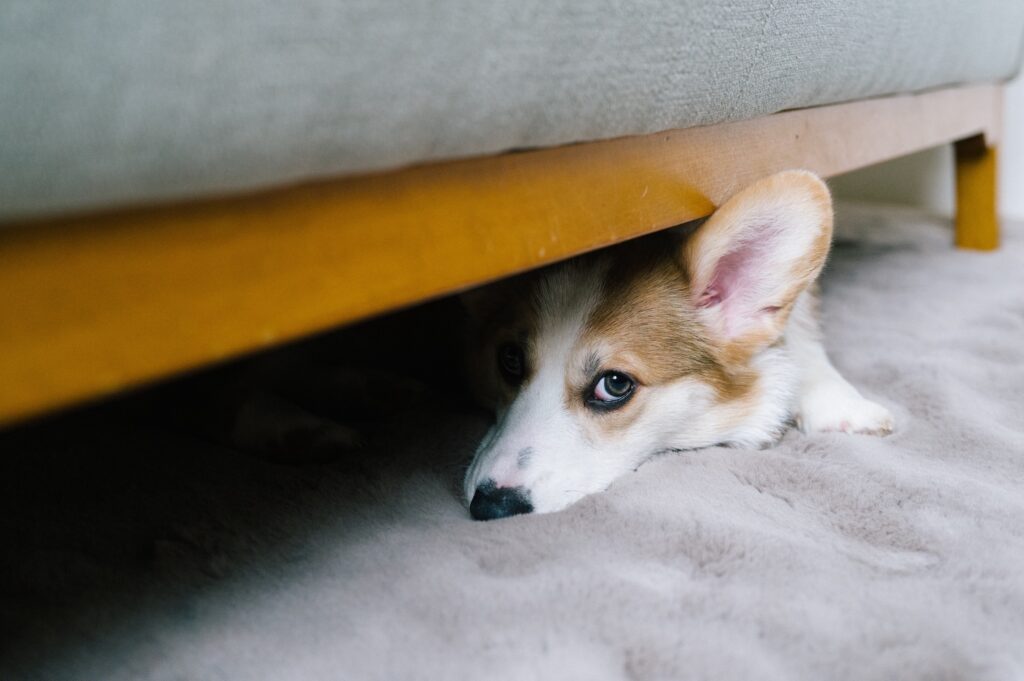
Older dogs may also experience an increase in anxiety levels. It may be more apparent with changes to their environment or to their routine. An older dog may become more dependent upon their guardian, fretting when they are not around. They may also have a lower threshold to stress. Minor changes and moderate pressure that would once cause no reaction may now overwhelm them, leading to disproportionate reactions, irritability and anxiety.
Social behaviour may also change. Ageing dogs may become less social or display changes in their interactions with other pets and people. Look out for new aggression or aversion to others in your mature dog. Help them by offering them their own quiet environment and limit social interactions. Warn visitors to give them space, lest your guest experience a regrettable nip.
Enhancing a Dog’s Quality of Life
Ageing will likely change your dog, but there are things you can do to help. A good diet appropriate for their weight, activity levels and health condition is crucial.
Chat with your veterinarian about any joint stiffness. They may recommend supplements like omega-3 and glucosamine. Some dogs may need pain medication. Your vet may suggest physiotherapy, or even acupuncture.
If your dog mobility has become laboured, opt for gentle exercise to maintain mobility without overexertion. Maintaining their exercise is important, but it should be tailored to their stage of life. Short daily walks are more beneficial to long, challenging, infrequent ones. Swimming is a great option for supporting their joints during exercise.
Check their environment is comfortable. Consider steps or ramps to help them access cars, furniture or beds. A dog bed with extra cushioning can help alleviate pressure on their joints. Consider a specialised orthopaedic dog bed. If they have become irritable with other pets, try to give them their own space where they can rest undisturbed.
Schedule regular veterinary check-ups to help you stay on top of their health and to make the necessary adjustments to their care routine when needed. A good vet will check your dog’s dental health, vision and hearing. Alert them to any accidents that have occurred; they will check for things like UTIs, diabetes, kidney health, incontinence or anxiety.
And finally, give your mature dog lots of love. They may be less active and cranky, but cuddles and attention still go a long way.
Ageing is a natural part of a dog’s life, but it doesn’t have to diminish their quality of life. Recognising how ageing can change your dog gives them the chance to continue living a fulfilling life. Veterinary check-ups are crucial for ageing dogs to detect any health issues early, allowing for timely, effective treatment. Understanding, the right care and lots of love will make all the difference to your dog’s happiness and wellbeing.
