
How to Help Your Cat Live a Longer, Healthier Life
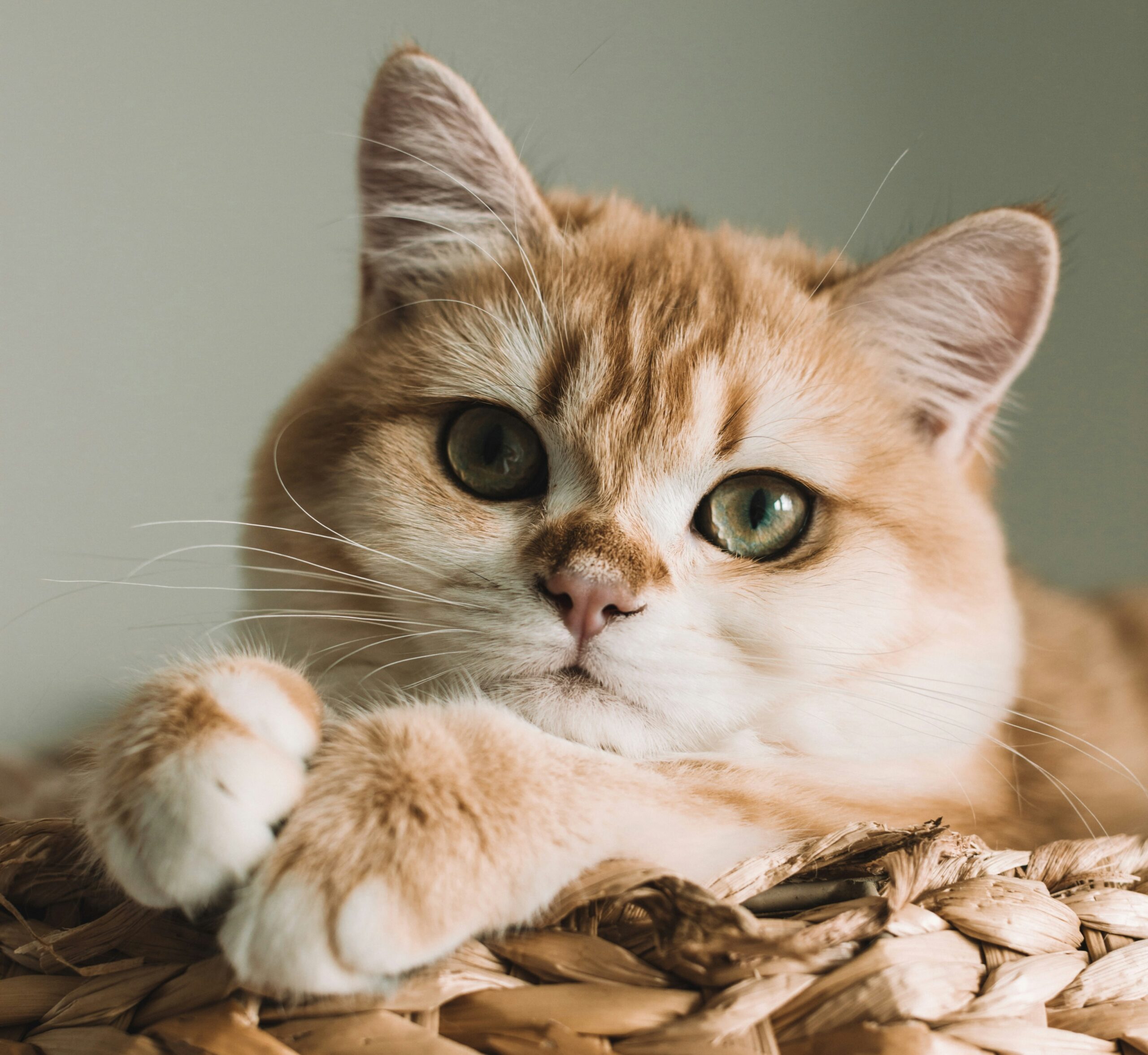
If you’re anything like me, your cat is more than a feature of your home – they are family. They have their own personalities and habits, and we want them beside us for as many years as possible. While genetics inevitably play a role in a cat’s longevity, there are things we can do to give our feline companions the best possible chance of a long, healthy life. Good food and exercise are the obvious places to start, but there are other aspects of their lives that can make a surprisingly big difference. Here are some simple ways to help your cat live a longer, healthier life.
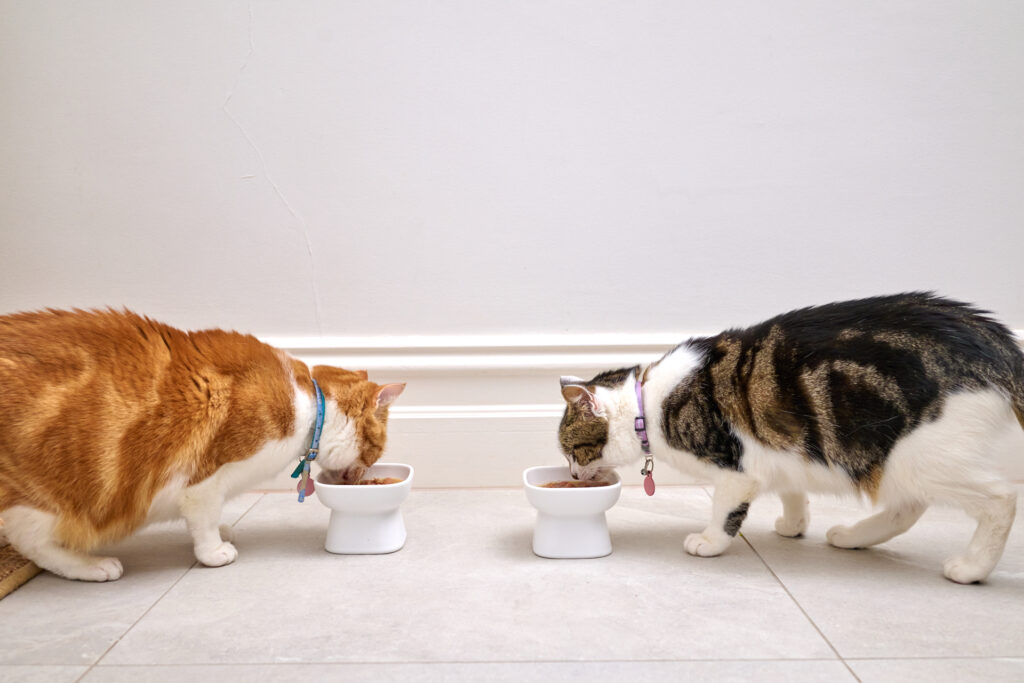
Diet: It Really Does Matter
Like us, diet is one of the biggest influences on your cat’s health. Unlike us, cats are obligate carnivores, which just means that their bodies are designed to thrive on animal meat and fats.
Cats lack the vital enzymes it takes to digest large amounts of plant matter. Animal tissue provides essential nutrients, including amino acids such as taurine and preformed vitamin A. Their digestive systems are also particularly well suited to processing meat and the protein it contains as an energy source.
When choosing cat food, become an ingredient-list detective. Look for quality animal-based ingredients like chicken, lamb, beef, salmon, tuna and organ meat. Taurine is an important ingredient, as well as all the minerals and vitamins cats need such as calcium, phosphorus, potassium, magnesium, iron, zinc, manganese, copper, iodine and selenium, and vitamins A, B, D, E and K.
A cat’s weight, age, activity level and individual needs will dictate portion size. If your cat is carrying a little extra weight, reduce their meal size by a quarter and see how they fare after two weeks. Talk to your vet about your cat’s weight if you are unsure about changing their meal size. Obesity is a real threat for cats; it can increase the risk of a number of health problems. Keeping your cat at a healthy weight is one of the simplest gifts you can give them.
And don’t forget the treats. A little indulgence adds to quality of life. Just remember they count towards their daily intake. A little cat grass is perfectly natural. Cats instinctively nibble grass when they need a little help shifting things along internally. Cat grass also contains nutrients they may instinctively know they need. Read more in All You Need to Know About Cat Grass and Catmint.
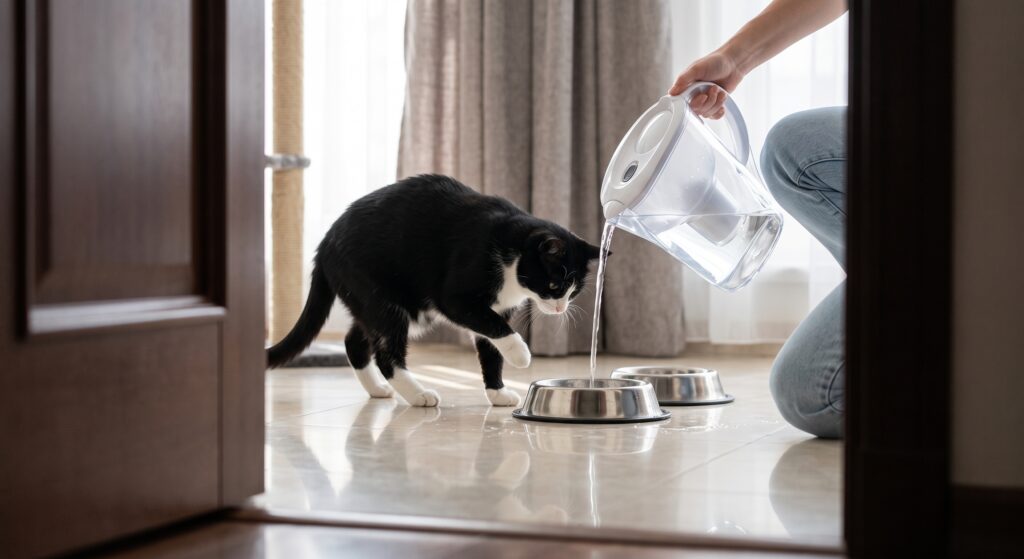
Keep the water flowing
Hydration deserves its own mention. Water is essential for digestion, temperature regulation and many other day-to-day functions, yet cats have a naturally low thirst drive.
Some cats just don’t like to drink, so you may need to get creative. Fresh water should always be available, while wet food can provide additional moisture. Try adding extra water to your cat’s dinner. For some cats, running water is endlessly fascinating, in which case a water fountain is worth considering.
A sudden noticeable change in drinking habits deserves attention. It may be a simple matter of a change in the weather, an increase in the volume of dry food, or it could be stress and illness. It makes sense that warmer weather will increase a cat’s thirst, as does dry cat food. A change in the home, such as a house guest or the loss of a pet, can cause changes in drinking and eating.
Health issues that cause a change to water intake include UTIs, kidney disease, diabetes or problems with their thyroid. Catching health problems early can make all the difference, helping to prevent small concerns from becoming painful, costly or potentially life-threatening conditions.
Exercise: Let Them Be a Cat
Deep down, your domesticated house cat is still a hunter. They may spend most of the afternoon asleep in a patch of sunshine, but that doesn’t mean their instincts have disappeared.
For domestic cats, play replaces the hunt. It provides exercise, mental stimulation and an outlet for those wonderfully weird feline instincts. Play is also a brilliant opportunity to bond with your cat, and gives us wonderful feel-good moments and memories.
Try a variety of toys to discover what makes your cat’s whiskers twitch. Wand toys, small furry toys, treat puzzles, laser pointers and even a cardboard box can provide hours of entertainment. But remember that cats are smart. They will soon realise that a toy isn’t live prey. The best toy, according to cat guru, Jackson Galaxy, is an interactive one. This makes sense; your cat will truly need to exercise all their hunter instincts to keep up with you. This time you spend talking to and praising your cat strengthens your bond.
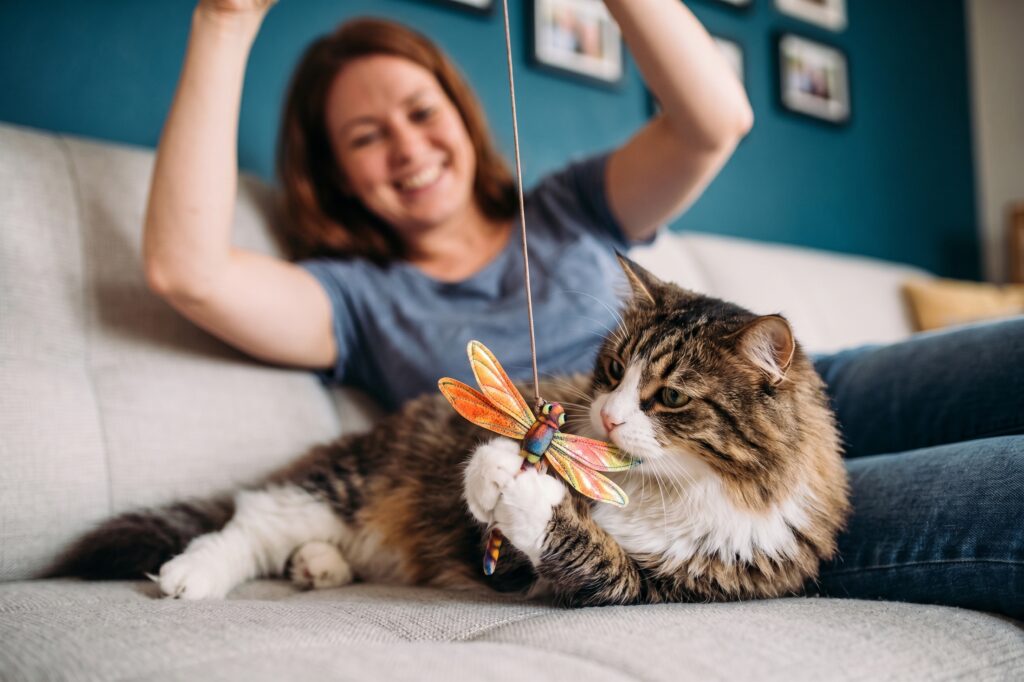
A particularly good time for a play session is just before a meal. It mimics the natural feline sequence of hunt, eat, groom and sleep. Maintaining their natural rhythm may be the key to making their life much more satisfying.
Provide climbing trees and other vertical spaces to allow them to exercise their amazing physiques and indulge their natural desire to get up high and observe their surroundings. Include multiple scratch posts so they can shed the worn outer layers of their claws and leave their scent behind through the glands in their paws, thereby marking their territory. It’s also a great stretch for their muscles and spine, and a way to burn off stress or excitement.
As cats grow older, their exercise needs change. An older cat may not want to chase a toy around the house with quite the enthusiasm of a kitten. But gentle, regular activity remains important. Your vet can advise you on what is appropriate for your cat’s age and condition if you are unsure.
Don’t Skip the Vet
Getting to know your cat is one of the most important things you can do for them. Cats are creatures of habit, and that’s an advantage when it comes to spotting changes. Notice how much your cat normally eats, how often they use the litter box, how they behave when they’re happy and where they like to sleep. Most importantly, pay attention when those patterns change.
Cats are remarkably good at hiding illness. In the wild, showing signs of weakness can make an animal vulnerable, and our domestic cats have retained much of that instinct.
That’s why regular veterinary check-ups are so important. Get into the habit of routine vet examinations every year to help identify any problems early, when they may be easier to manage.
Vaccinations, parasite prevention and dental care are also important parts of keeping your cat healthy. Outdoor cats have additional risks, but even the most pampered indoor cat still benefits from a regular health check. Think of the annual vet visit as preventative maintenance rather than waiting until something goes wrong.
Indoor Cats: Safe, But Never Bored
There is a growing trend in Australia towards keeping cats exclusively indoors, and for good reason. Indoor cats are generally protected from the many hazards their free-roaming counterparts face, including traffic, fights, infectious diseases, poisoning and other injuries.
Research from the University of Adelaide has highlighted the potential benefits of keeping cats exclusively indoors, including reduced veterinary costs associated with emergencies and injuries. And there is another very good reason to keep our cats at home: Australia’s native wildlife.
Feral cats are another concern. They can be considerably larger and more aggressive than house cats, creating a genuine risk of injury and disease for domestic cats allowed to roam.
There are also risks associated with cat baiting. While approved baiting programs may target feral cat populations in designated areas, roaming domestic cats can be caught in the wrong place at the wrong time.
Unapproved cat baiting is deadly and illegal under the Prevention of Cruelty to Animals Act 1979, and deliberately targeting neighbourhood cats can attract serious albeit deserved criminal penalties. This doesn’t help our cats falling victim to such illegal baiting.
Give them the outdoors
Keeping a cat indoors doesn’t mean taking away fresh air and sunshine. Harnesses, cat strollers and cat handbags have become increasingly popular, while the humble catio offers perhaps the best of both worlds: a secure outdoor space where your cat can watch the world go by without wandering into danger.
A catio can provide fresh air, sunshine, stimulating smells and plenty of visual entertainment. Watching birds and butterflies can keep a cat occupied for hours, while a secure outdoor enclosure can also provide a peaceful retreat from the household.
It is also the ideal spot for their litter box.
Desexing: More Than Population Control
Desexing is often discussed in terms of preventing unwanted litters, but the benefits go beyond that. Veterinary research has found significant differences in longevity between desexed and intact cats. Research shows that neutered male cats live an average of 62% longer, while speyed females live 39% longer than their intact counterparts.
Desexed cats are also less likely to roam, fight and suffer from reproductive health problems. Speying eliminates the risk of pyometra, a potentially life-threatening infection of the uterus, and reduces the risk of reproductive cancers.
For male cats, neutering can also dramatically reduce urine spraying and territorial behaviour. Lower testosterone levels also mean less aggression and considerably less pungent urine.
Good Hygiene, Happy Cat
Nobody likes a dirty litter box — including your cat. This writer’s cat meows when her litter box needs cleaning. Thanks kitty. Keeping litter boxes clean, washing food and water bowls regularly and grooming your cat are simple habits that can contribute to good health. Long-haired cats in particular benefit from regular brushing, which can help prevent painful mats and reduce the amount of loose fur they ingest while grooming themselves. This also reduces the number of furballs they produce.
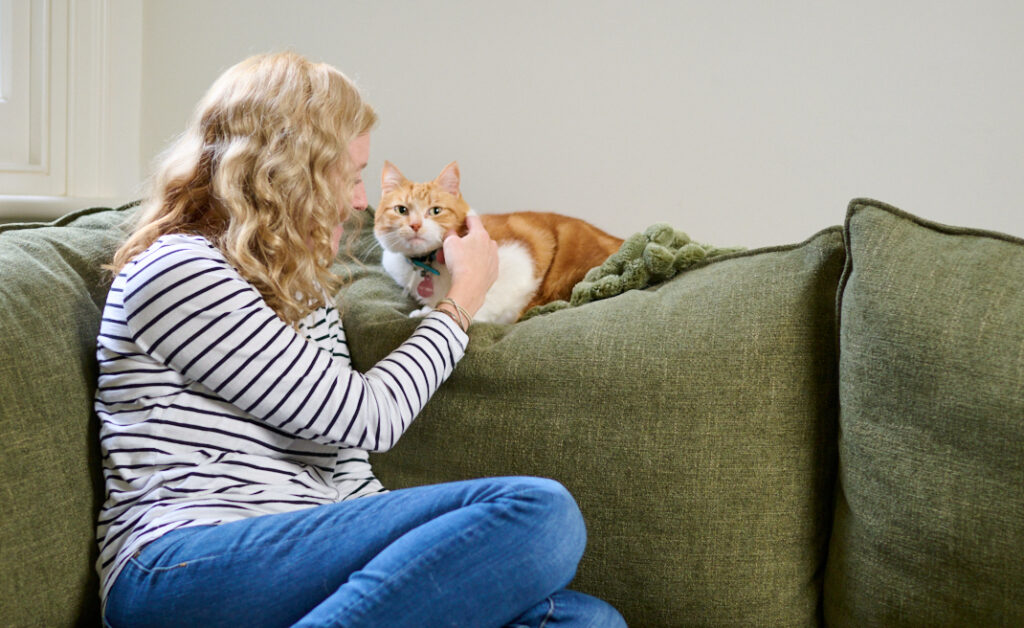
Grooming time is like in-house beauty therapy, but it is also an opportunity to check your cat for lumps, bumps, sore spots, skin changes or anything else that looks unusual. Those few quiet moments with a brush could reveal something important about their health.
Create a Home They’ll Love
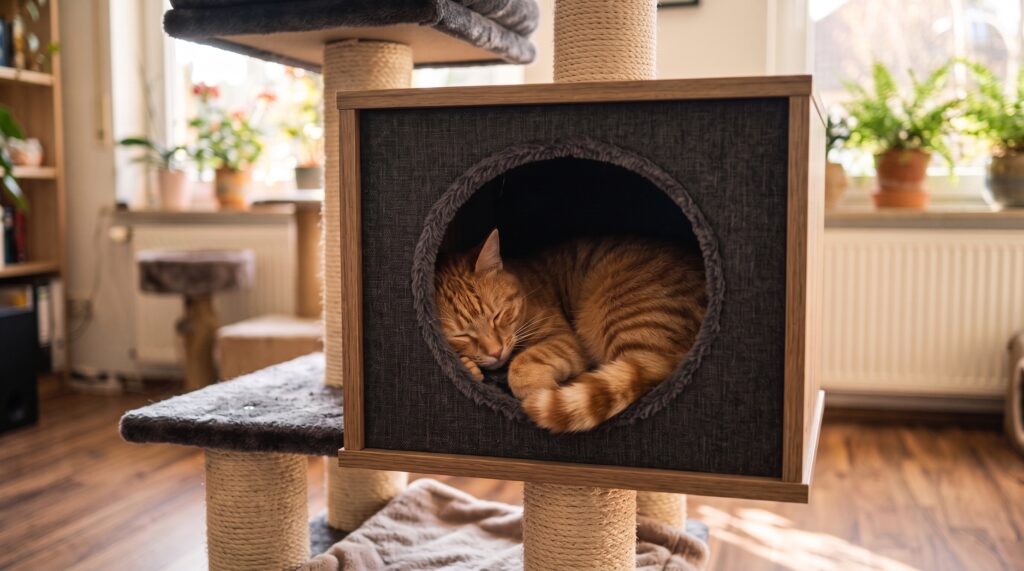
A healthy cat needs more than good food and a clean litter box. They also need to feel safe. Cats thrive on familiar surroundings and predictable routines. A calm home can go a long way towards reducing stress. Give them cosy places to sleep, somewhere quiet to retreat when they want to feel safe or be alone. Cats love safe places that are just for them.
Times of change, like moving house, introducing another pet or changing routines, can all be just as stressful for your cat as they are for you. Where possible, make those changes gradually and give your cat time to adjust.
The Extra Years Are Worth It
A nutritious diet, regular exercise and veterinary care, desexing, good hygiene and a safe, stimulating environment all contribute to a healthier feline life. Just as importantly, paying attention to the small changes in your cat’s behaviour and habits help you recognise when something needs attention.
We may not be able to keep them alive with us forever, but there are plenty of ways to give them the happiest, healthiest life possible and stack the odds in their favour. For a full life of playtime, happy purrs and more years curled up beside us, every little bit of extra care is worth it.
